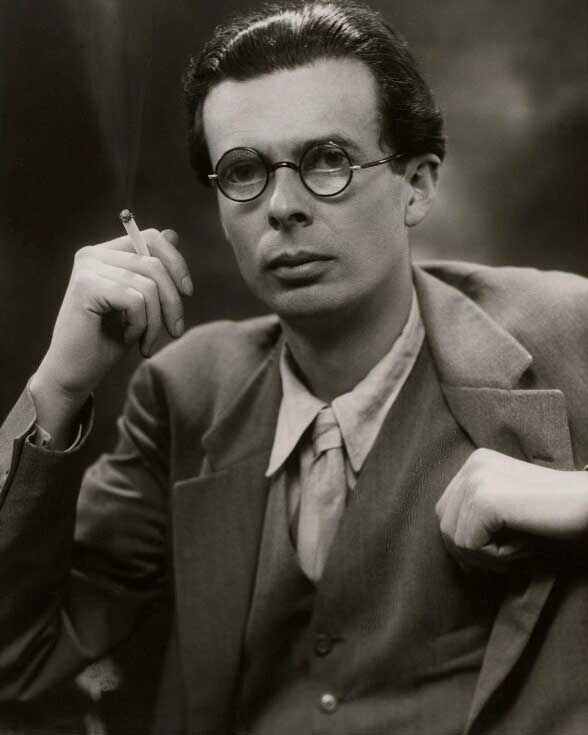
Aldous Huxley
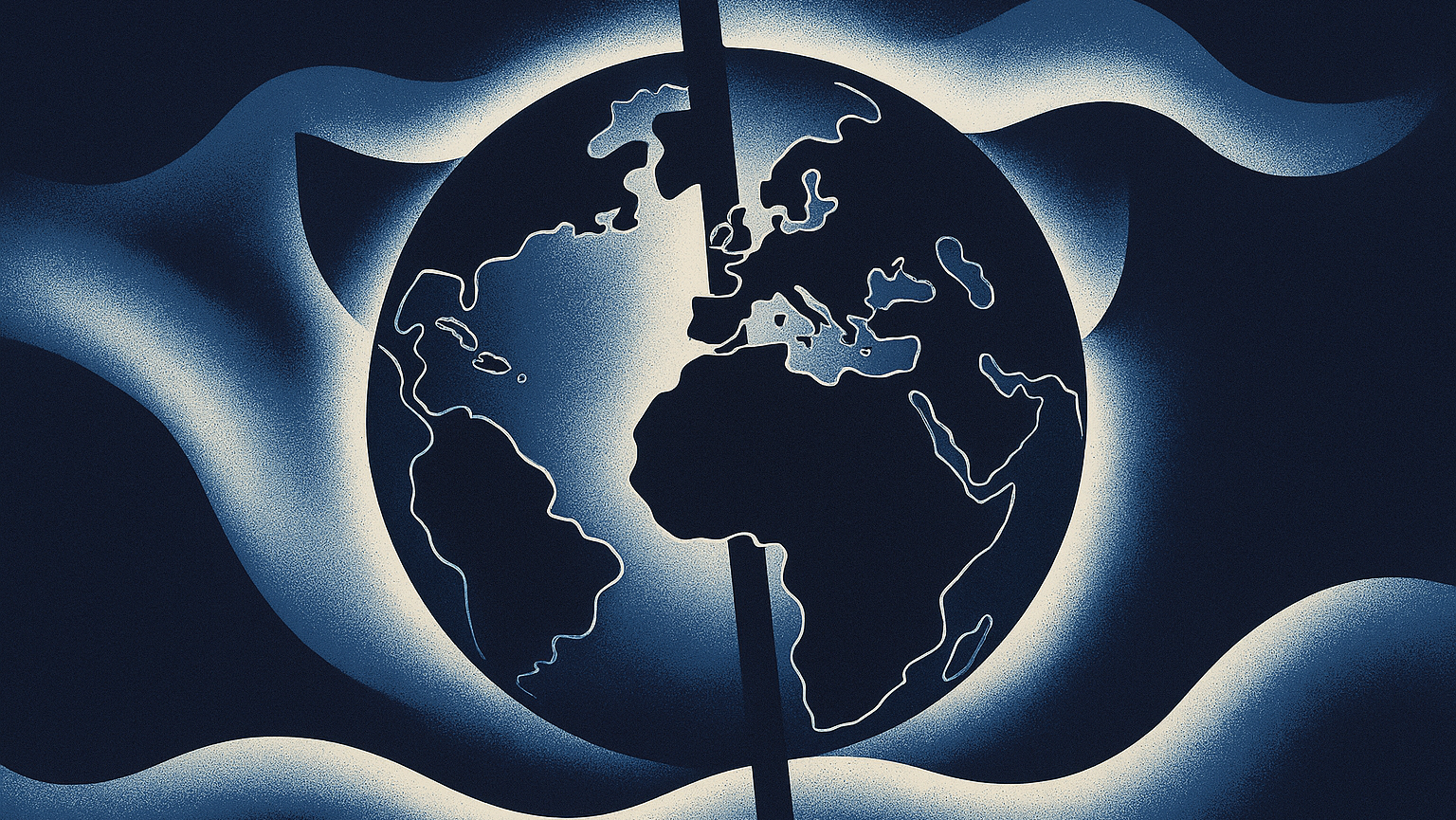
“Everybody belongs to everyone else.”
Di dunia Brave New World, kalimat itu bukan dianggap aneh.
Ia diajarkan sejak kecil, diulang ribuan kali melalui proses hipnopedia, dan diterima sebagai bagian dari kehidupan sehari-hari. Tidak ada perang besar. Tidak ada kelaparan. Tidak ada kemiskinan. Hampir semua orang tampak bahagia.
Namun ada harga yang harus dibayar.
Kebebasan telah ditukar dengan kenyamanan. Kebenaran dikalahkan oleh hiburan. Dan ketika kesedihan mulai muncul, selalu ada soma, obat yang mampu menghilangkan rasa sakit tanpa pernah menyelesaikan penyebabnya.
Melalui dunia yang tampak damai dan sempurna ini, Aldous Huxley mengajukan pertanyaan yang masih terasa relevan hingga hari ini:
Bagaimana jika ancaman terbesar terhadap kebebasan bukanlah kekuasaan yang memaksa kita?
Melainkan dunia yang membuat kita tidak lagi merasa perlu untuk bebas?
Ketika Kebahagiaan Menjadi Tujuan Utama
Brave New World diterbitkan pada tahun 1932, ketika dunia sedang memasuki era modern dengan kecepatan yang belum pernah terjadi sebelumnya.
Produksi massal mengubah cara manusia bekerja. Teknologi berkembang pesat. Psikologi mulai digunakan untuk memahami perilaku manusia, sementara gagasan tentang rekayasa sosial dan eugenika mendapat perhatian di berbagai negara. Banyak orang percaya bahwa ilmu pengetahuan pada akhirnya mampu menghilangkan kemiskinan, konflik, bahkan penderitaan itu sendiri.
Di balik optimisme tersebut, muncul sebuah keyakinan baru: bahwa masyarakat dapat dirancang seperti sebuah mesin.
Jika setiap orang memiliki peran yang sesuai, jika kebutuhan mereka terpenuhi, dan jika ketidakbahagiaan dapat dihilangkan, bukankah dunia akan menjadi tempat yang lebih baik?
Aldous Huxley melihat pertanyaan itu dari sudut yang berbeda.
Ia tidak meragukan kemampuan sains untuk membuat hidup lebih nyaman.
Yang ia pertanyakan adalah harga yang mungkin harus dibayar.
Bagaimana jika demi stabilitas, manusia kehilangan kebebasannya?
Bagaimana jika demi menghindari penderitaan, mereka juga kehilangan kemampuan untuk mencintai, memilih, dan mencari makna?
Dari kegelisahan itulah lahir Brave New World.
Bukan sebagai kritik terhadap kemajuan, melainkan sebagai pengingat bahwa kehidupan yang paling nyaman belum tentu merupakan kehidupan yang paling manusiawi.
Seorang Humanis di Tengah Zaman Sains
Aldous Huxley lahir pada tahun 1894 dalam salah satu keluarga intelektual paling berpengaruh di Inggris. Kakeknya adalah Thomas Henry Huxley, ilmuwan yang dikenal sebagai “Darwin’s Bulldog” karena membela teori evolusi Charles Darwin. Kakaknya, Julian Huxley, menjadi salah satu ahli biologi terkemuka abad ke-20 dan pendukung awal gagasan eugenika.
Huxley tumbuh di tengah dunia yang sangat percaya pada kemajuan ilmu pengetahuan.
Namun sejak muda, ia juga menyaksikan sisi lain dari modernitas. Perang Dunia Pertama menunjukkan bahwa teknologi yang sama yang membawa kemajuan juga mampu menghasilkan kehancuran dalam skala yang belum pernah terjadi sebelumnya. Sementara itu, produksi massal, konsumerisme, dan berbagai bentuk rekayasa sosial mulai mengubah cara manusia bekerja, berpikir, dan menjalani hidup.
Huxley tidak menolak sains.
Ia justru mengaguminya.
Yang membuatnya gelisah adalah ketika manusia mulai percaya bahwa semua persoalan hidup dapat diselesaikan melalui efisiensi, teknologi, dan kenyamanan.
Bagaimana jika kemajuan material tidak diikuti oleh kematangan moral?
Bagaimana jika masyarakat berhasil menghilangkan rasa sakit, tetapi sekaligus menghilangkan kebebasan, cinta, dan pencarian makna?
Melalui novelnya, Huxley tidak mengajak pembaca untuk takut pada masa depan.
Ia mengajak kita bertanya apakah di tengah segala kemajuan yang kita ciptakan, kita masih memahami apa artinya menjadi manusia.
Menjadi Manusia di Dunia yang Sempurna
Brave New World berlatar di masa depan, ketika hampir seluruh persoalan yang selama ribuan tahun membayangi manusia tampaknya telah berhasil diselesaikan.
Penyakit dapat dikendalikan. Kemiskinan hampir tidak ada. Konflik sosial dihindari melalui rekayasa genetika dan pembagian kasta sejak lahir. Setiap orang diprogram untuk mencintai perannya masing-masing, sementara obat bernama soma selalu tersedia untuk menghapus rasa sedih, cemas, atau kecewa.
Dunia ini tampak stabil.
Dan hampir semua orang merasa bahagia.
Di tengah masyarakat tersebut, Huxley mempertemukan pembaca dengan John, seorang pemuda yang dibesarkan di luar peradaban modern. Berbeda dengan orang-orang di sekitarnya, John mengenal Shakespeare, memahami cinta, kesedihan, kehilangan, dan berbagai pengalaman yang telah dihapus dari dunia baru itu.
Ketika John akhirnya memasuki masyarakat yang dianggap sempurna, ia justru melihat sesuatu yang tidak dilihat oleh orang lain.
Ia melihat bahwa dunia tersebut memang berhasil menghilangkan penderitaan.
Namun pada saat yang sama, dunia itu juga menghilangkan kebebasan untuk memilih, kesempatan untuk bertumbuh, dan pengalaman-pengalaman yang selama ini membuat kehidupan terasa bermakna.
Melalui pertemuan antara John dan masyarakat Brave New World, Huxley tidak sekadar mempertentangkan dua cara hidup.
Ia mengajak pembaca mempertanyakan apakah kebahagiaan yang dibangun tanpa kebebasan masih layak disebut sebagai kehidupan yang sepenuhnya manusiawi.
Kehidupan yang Sudah Ditentukan
Sejak sebelum dilahirkan, setiap orang di dunia Huxley telah ditentukan masa depannya.
Pekerjaan, kemampuan intelektual, bahkan keinginan dan cara berpikir mereka telah dirancang agar sesuai dengan kebutuhan masyarakat.
Tidak ada krisis identitas.
Tidak ada pertanyaan tentang tujuan hidup.
Tidak ada pencarian jati diri.
Dan justru itulah yang membuat dunia ini terasa asing.
Huxley mengingatkan bahwa menjadi manusia bukan sekadar menjalankan fungsi yang telah diberikan kepada kita. Menjadi manusia juga berarti memiliki kesempatan untuk bertanya siapa diri kita, menentukan arah hidup, dan bertanggung jawab atas pilihan-pilihan tersebut.
Kebebasan atau Kebahagiaan?
No pain. No love. No struggle. No history.
Just comfort, entertainment, and obedience.
Di dunia Brave New World, hampir semua orang tampak bahagia.
Mereka tidak cemas, tidak kesepian, tidak pernah benar-benar kecewa. Setiap orang telah diprogram untuk mencintai pekerjaannya, menerima posisinya dalam masyarakat, dan mengonsumsi soma setiap kali perasaan tidak nyaman mulai muncul.
Sekilas, dunia itu tampak seperti utopia.
Namun Huxley mengajukan pertanyaan yang mengganggu:
Apakah seseorang benar-benar bebas jika ia tidak pernah diberi kesempatan untuk memilih?
Kebahagiaan dalam Brave New World bukanlah hasil dari pilihan, melainkan hasil dari rekayasa. Setiap kali kesedihan muncul, selalu ada soma. Setiap kali kecemasan datang, selalu ada hiburan.
Tidak ada alasan untuk berduka terlalu lama, kehilangan terlalu dalam, atau mempertanyakan hidup terlalu jauh.
Penderitaan tidak diselesaikan.
Ia dihapus.
Namun Huxley bertanya apakah kehidupan yang tidak pernah mengenal penderitaan masih memiliki kedalaman yang sama.
Bukankah justru melalui kehilangan, kegagalan, cinta, dan rasa sakit manusia belajar memahami dirinya sendiri?
Tanpa pengalaman-pengalaman itu, kehidupan mungkin menjadi lebih nyaman.
Tetapi belum tentu menjadi lebih bermakna.
Hak untuk Menderita
Menjelang akhir novel, John the Savage menyampaikan penolakan yang menjadi jantung seluruh Brave New World.
“I don’t want comfort. I want God, I want poetry, I want real danger, I want freedom, I want goodness. I want sin.”
Mustapha Mond menjawab,
“In fact… you’re claiming the right to be unhappy.”
Dan John berkata,
“I claim them all.”
Percakapan singkat ini merangkum pertanyaan terbesar yang diajukan Huxley.
Mungkin menjadi manusia bukan berarti menghindari rasa sakit.
Mungkin justru kebebasan untuk mencintai, kehilangan, gagal, berharap, dan menderita adalah bagian yang membuat hidup terasa nyata.
Jika semua pengalaman itu dihapus demi kenyamanan, apa yang sebenarnya masih tersisa dari diri kita?
Soma untuk Masa Kini
Brave New World sering dibaca sebagai peringatan tentang teknologi, rekayasa genetika, atau masyarakat masa depan.
Namun pertanyaan yang diajukan Huxley sebenarnya jauh lebih dekat dengan kehidupan kita hari ini.
Kita hidup di dunia yang semakin mampu menghilangkan rasa tidak nyaman. Hiburan selalu tersedia. Algoritma memilihkan apa yang kita lihat. Teknologi membantu kita menghindari kebosanan, kesunyian, bahkan percakapan dengan diri sendiri.
Semua itu membuat hidup menjadi lebih mudah.
Namun Huxley mengingatkan bahwa kehidupan yang nyaman belum tentu membuat kita semakin mengenal diri sendiri.
Mungkin menjadi manusia bukan berarti hidup tanpa rasa sakit.
Mungkin justru melalui kebebasan untuk memilih, mencintai, kehilangan, gagal, dan mempertanyakan hidup, kita menemukan siapa diri kita sebenarnya.
Tanpa pengalaman-pengalaman itu, kehidupan mungkin menjadi lebih nyaman, tetapi juga kehilangan kedalamannya.
Namun Huxley juga menyadari bahwa kebebasan bukanlah akhir dari persoalan.
Karena bahkan ketika seseorang bebas merasakan semuanya, ia belum tentu mampu menemukan tempatnya di dunia.
Itulah pertanyaan yang akan diajukan Osamu Dazai melalui No Longer Human.
Bukan tentang masyarakat yang menghapus kemanusiaan.
Melainkan tentang seorang manusia yang perlahan kehilangan keyakinan bahwa ia pernah benar-benar menjadi bagian darinya.
>> Lanjut ke No Longer Human

Tonton Video Terkait:

