
Franz Kafka
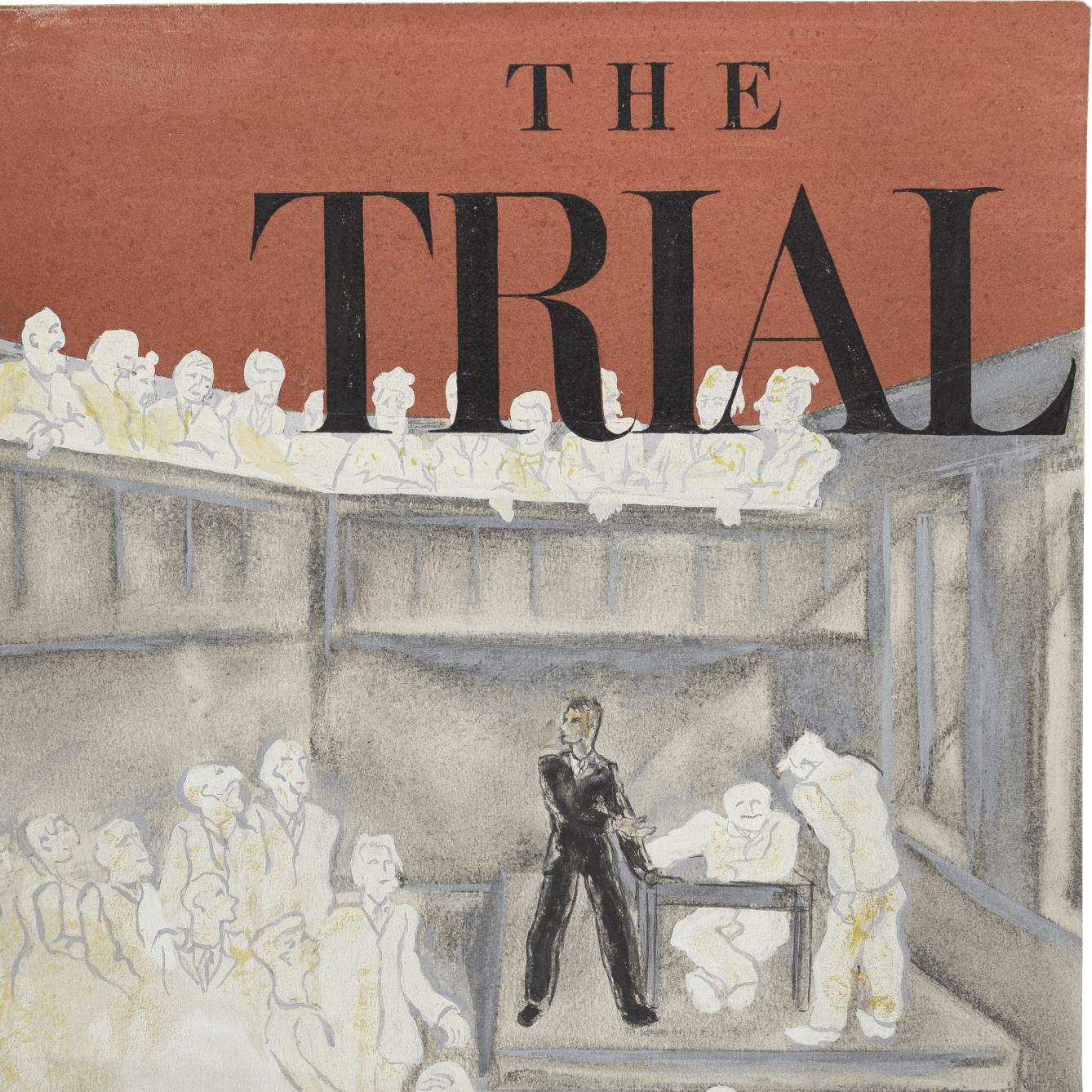
“Someone must have slandered Josef K., for one morning, without having done anything truly wrong, he was arrested.”
Begitulah novel ini dimulai.
Tidak ada penjelasan. Tidak ada kejahatan. Tidak ada penyelidikan yang masuk akal. Josef K. hanya diberi tahu bahwa ia sedang menjalani proses hukum, sementara hidupnya terus berjalan seolah-olah tidak terjadi apa-apa.
Semakin keras ia berusaha memahami apa yang sebenarnya terjadi, semakin kabur semuanya menjadi.
Melalui premis yang sederhana sekaligus mengganggu ini, Franz Kafka menulis salah satu novel paling berpengaruh dalam sastra modern. Sebuah kisah tentang dunia yang dipenuhi aturan, tetapi kehilangan penjelasan. Tentang manusia yang terus mencari kepastian, sementara jawaban yang mereka harapkan tidak pernah datang.
Dunia yang Kehilangan Penjelasan
The Trial ditulis pada awal abad ke-20, ketika Eropa sedang berubah dengan sangat cepat.
Industrialisasi melahirkan kota-kota besar. Pemerintahan menjadi semakin kompleks. Birokrasi berkembang, hukum semakin rumit, dan kehidupan manusia perlahan diatur oleh berbagai institusi yang sering kali terasa jauh dari kendali individu.
Dunia modern menjanjikan keteraturan.
Segala sesuatu tampak memiliki aturan, prosedur, dan sistem yang jelas.
Namun di balik keteraturan tersebut, muncul pengalaman baru yang sebelumnya jarang dirasakan: hidup di dalam sebuah sistem yang begitu besar sehingga tidak lagi dapat dipahami oleh orang-orang yang menjalaninya.
Seseorang dapat mengikuti aturan tanpa benar-benar mengetahui siapa yang membuatnya. Mengisi formulir tanpa memahami tujuannya. Menjalani prosedur yang terasa penting, tetapi tidak pernah dijelaskan maknanya.
Franz Kafka melihat kegelisahan itu lebih awal daripada banyak orang sezamannya.
Melalui The Trial, ia tidak sedang mengkritik satu pengadilan atau satu pemerintahan tertentu.
Ia sedang menggambarkan sebuah dunia yang tetap berjalan menurut aturannya sendiri, sementara manusia di dalamnya terus mencari penjelasan yang tidak pernah datang.
Seorang Pegawai di Dalam Labirin
Sulit membayangkan The Trial ditulis oleh orang lain selain Franz Kafka.
Pada siang hari, Kafka bekerja sebagai pegawai di Workers’ Accident Insurance Institute di Praha. Hari-harinya dipenuhi laporan, dokumen, dan prosedur administratif. Ia melihat dari dekat bagaimana sebuah sistem yang tampak rasional dapat terasa begitu rumit dan impersonal bagi orang-orang yang berada di dalamnya.
Namun kegelisahan Kafka tidak berhenti di tempat kerja.
Ia hidup di bawah bayang-bayang ayahnya, seorang pengusaha yang keras dan dominan. Dalam Letter to His Father, Kafka menulis lebih dari seratus halaman untuk menjelaskan rasa takut, rasa bersalah, dan ketidakberdayaan yang ia rasakan sejak kecil. Surat itu tidak pernah dikirim.
Ia juga bergulat dengan insomnia, kecemasan, depresi, dan tuberkulosis. Hubungannya dengan cinta dan pernikahan selalu dipenuhi keraguan. Berkali-kali ia membangun hubungan, lalu menghancurkannya sendiri.
“I am made of literature,” he once wrote. “I am nothing else, and can be nothing else.”
Menulis menjadi satu-satunya tempat di mana ia dapat memahami dunia yang terasa semakin asing.
Kegelisahan yang sama muncul dalam hampir seluruh karyanya. Dalam The Metamorphosis, Gregor Samsa terbangun dan mendapati dirinya telah berubah menjadi seekor serangga. Yang pertama kali ia khawatirkan bukanlah perubahan tubuhnya, melainkan kemungkinan terlambat masuk kerja. Dalam The Trial, Josef K. ditangkap tanpa pernah diberi tahu kesalahannya.
Dunia Kafka tidak dipenuhi monster atau penjahat.
Yang menakutkan justru adalah dunia yang tampak biasa, tetapi perlahan kehilangan logika yang dapat dipahami manusia.
Kafka sendiri tidak pernah menyelesaikan The Trial. Ketika meninggal akibat tuberkulosis pada usia empat puluh tahun, ia meminta sahabatnya, Max Brod, untuk membakar seluruh naskah yang belum diterbitkan.
Permintaan itu diabaikan.
Untungnya.
Seorang Terdakwa Tanpa Kesalahan
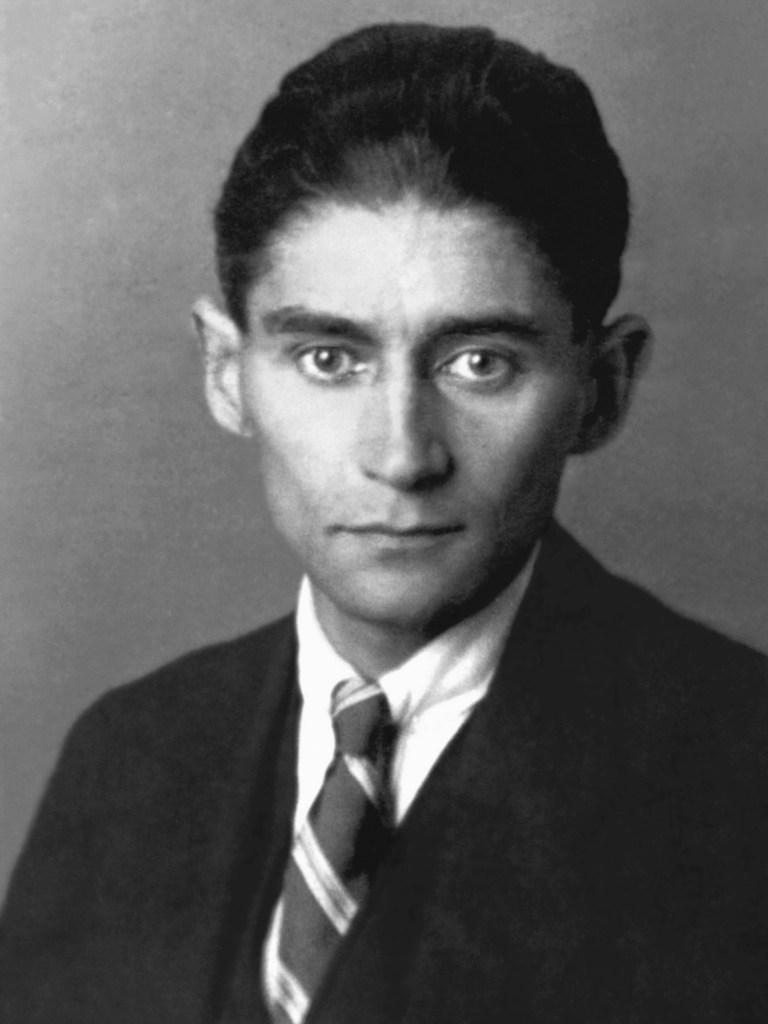
Pada suatu pagi, Josef K., seorang pegawai bank yang hidupnya berjalan seperti biasa, dibangunkan oleh dua orang asing yang mengatakan bahwa ia telah ditangkap.
Namun tidak seperti penangkapan pada umumnya, ia tidak dibawa ke penjara.
Ia tetap diizinkan pergi bekerja, menjalani rutinitasnya, bahkan hidup seperti biasa. Hanya satu hal yang berubah: kini ia menjadi terdakwa dalam sebuah proses hukum yang tidak pernah benar-benar ia pahami.
Tidak ada yang mau menjelaskan kesalahannya.
Tidak ada dakwaan yang jelas.
Tidak ada hakim yang benar-benar dapat ditemui.
Semakin keras Josef K. berusaha mencari jawaban, semakin dalam ia tersesat dalam labirin pengadilan yang dipenuhi lorong-lorong sempit, kantor-kantor yang tersembunyi, aturan yang tidak pernah dijelaskan, dan orang-orang yang tampaknya mengetahui sesuatu tetapi tidak pernah mengatakannya secara utuh.
Lambat laun, yang berubah bukan hanya nasib Josef K., tetapi juga cara ia memandang dunia.
Ia mulai mempertanyakan setiap percakapan, setiap pertemuan, bahkan dirinya sendiri. Apakah ia benar-benar tidak bersalah? Ataukah ada sesuatu yang luput dari dirinya?
Kafka tidak pernah memberikan jawaban yang pasti.
Justru di situlah kekuatan novel ini.
The Trial bukanlah kisah tentang seseorang yang berusaha membuktikan dirinya tidak bersalah.
Ia adalah kisah tentang seorang manusia yang berusaha memahami dunia yang tidak pernah mau menjelaskan dirinya.
Dunia yang Kehilangan Logika
“The court wants nothing from you. It receives you when you come and it dismisses you when you go.”
Yang membuat pengadilan dalam The Trial terasa menakutkan bukanlah kekejamannya.
Melainkan ketidakpeduliannya.
Tidak ada tokoh jahat yang mengendalikan semuanya. Tidak ada pidato besar. Tidak ada ancaman yang dramatis. Yang ada hanyalah prosedur, lorong-lorong sempit, ruang-ruang kantor, dan orang-orang yang menjalankan tugasnya tanpa pernah benar-benar memahami keseluruhannya.
Semakin keras Josef K. mencari penjelasan, semakin jauh jawaban itu menghilang.
Kafka menunjukkan sebuah dunia yang tampak berjalan dengan logis, tetapi kehilangan maknanya.
Beberapa dekade kemudian, Albert Camus menyebut pengalaman seperti ini sebagai kondisi absurd: ketika manusia terus mencari penjelasan, sementara dunia tetap diam.
Rasa Bersalah Tanpa Kesalahan
Pada awal cerita, Josef K. yakin bahwa telah terjadi kesalahan.
Namun semakin lama proses hukum berlangsung, keyakinannya mulai terkikis.
Bagaimana jika memang ada sesuatu yang salah pada dirinya?
Bagaimana jika semua orang mengetahui sesuatu yang tidak ia ketahui?
Kafka tidak pernah memberi tahu pembaca apa kesalahan Josef K., karena mungkin memang bukan itu yang ingin ia bicarakan.
The Trial menunjukkan bahwa rasa bersalah tidak selalu lahir dari tindakan.
Kadang ia muncul dari keberadaan kita sendiri. Dari tuntutan untuk menjadi cukup baik, cukup berhasil, atau cukup layak di mata dunia, bahkan ketika kita tidak pernah benar-benar memahami aturan yang digunakan untuk menghakimi kita.
Ketika Sistem Kehilangan Wajah Manusia
Semua orang yang ditemui Josef K. tampak sedang menjalankan pekerjaannya.
Petugas, penjaga, pegawai, hakim, hingga algojo tidak digambarkan sebagai orang-orang yang kejam. Mereka hanya menjalankan prosedur yang telah ada sebelum mereka, dan akan terus berjalan setelah mereka pergi.
Justru di situlah letak kengeriannya.
Kafka menunjukkan bahwa manusia tidak selalu dihancurkan oleh niat buruk.
Kadang mereka dihancurkan oleh sistem yang terus bergerak tanpa pernah berhenti untuk melihat manusia yang berada di dalamnya.
Terus Mencari, Meski Jawaban Tidak Pernah Datang
The Trial tidak pernah benar-benar menyelesaikan misterinya.
Tidak ada penjelasan.
Tidak ada pencerahan.
Tidak ada kepastian.
Namun justru di situlah kekuatannya.
Kafka memahami bahwa ada pertanyaan-pertanyaan dalam hidup yang mungkin memang tidak pernah dapat dijawab sepenuhnya.
Bukan karena kita kurang cerdas.
Melainkan karena kehidupan memang tidak selalu tunduk pada logika yang kita harapkan.
Dan mungkin, seperti Josef K., yang paling sulit bukanlah hidup tanpa jawaban.
Melainkan terus mencari di dunia yang tidak pernah merasa perlu menjelaskan dirinya.
Penjelasan yang Tak Kunjung Tiba
The Trial tidak pernah menjelaskan apa kesalahan Josef K.
Dan mungkin memang bukan itu yang ingin dilakukan Kafka.
Novel ini mengingatkan bahwa tidak semua hal dalam hidup dapat dipahami. Ada saat-saat ketika dunia terasa berjalan menurut logikanya sendiri, sementara manusia hanya berusaha menemukan tempat di dalamnya.
Itulah sebabnya The Trial tetap terasa relevan hingga hari ini. Bukan karena kebanyakan dari kita akan berhadapan dengan pengadilan seperti Josef K., tetapi karena hampir semua orang pernah mengalami saat ketika hidup terasa membingungkan, aturan berubah tanpa penjelasan, atau jawaban yang dicari tak kunjung ditemukan.
Kafka tidak menawarkan jalan keluar.
Ia hanya menunjukkan bahwa hidup terkadang memang berlangsung di tengah ketidakpastian.
Namun era baru menampilkan wajah lain dari dunia.
Jika Kafka memperlihatkan sebuah sistem yang bekerja tanpa wajah dan tanpa penjelasan, George Orwell akan membawa kita ke dunia yang lebih mengerikan.
Sebuah dunia di mana kekuasaan tidak lagi tersembunyi di balik labirin birokrasi.
Ia hadir di setiap layar, setiap kata, bahkan di dalam pikiran manusia, memaksa semua orang menerima satu-satunya kebenaran yang diizinkan.
>> Lanjut ke 1984

Tonton Video Terkait:

