
Fyodor Dostoevsky
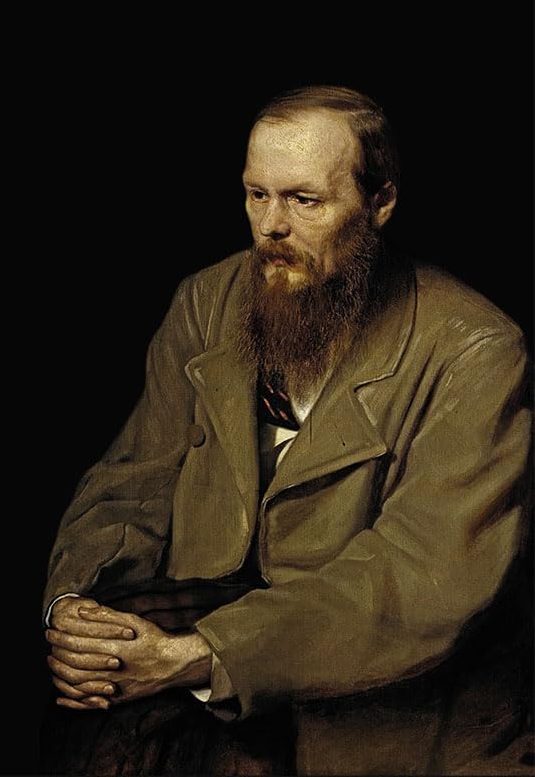
“I am a sick man… I am a spiteful man. I am an unattractive man.”
Begitulah kisah ini dimulai. Bukan dengan petualangan, pembunuhan, atau kisah cinta, melainkan dengan pengakuan pahit dari seorang pria yang mengurung dirinya di sebuah kamar sempit di St. Petersburg. Ia membenci dunia, membenci dirinya sendiri, dan tampaknya menikmati keduanya. Namun di balik kemarahannya, Fyodor Dostoevsky menciptakan salah satu tokoh paling berpengaruh dalam sastra modern: seorang manusia yang begitu sadar akan dirinya sendiri hingga tidak mampu menjalani hidup secara normal.
Mimpi tentang Rusia yang Sempurna
Ketika Notes from Underground diterbitkan pada tahun 1864, Rusia sedang berubah dengan cepat.
Tiga tahun sebelumnya, Tsar Alexander II membebaskan jutaan budak tani dalam sebuah reformasi besar yang diharapkan membawa Rusia menuju masa depan yang lebih modern. Di kalangan intelektual, berbagai gagasan baru dari Eropa mulai mendapat tempat: rasionalisme, ilmu pengetahuan, kemajuan sosial, dan keyakinan bahwa masalah manusia pada akhirnya dapat diselesaikan melalui akal dan perencanaan yang baik.
Bagi banyak orang, masa depan tampak menjanjikan. Jika kemiskinan, konflik, dan penderitaan dapat dipahami secara ilmiah, bukankah suatu hari manusia dapat membangun masyarakat yang lebih sempurna?
Dostoevsky tidak yakin.
Ia melihat sesuatu yang mengganggunya di balik optimisme tersebut. Semakin banyak orang berbicara tentang manusia seolah-olah mereka adalah mesin yang dapat dipahami, diprediksi, dan diatur. Jika setiap tindakan memiliki penyebab yang rasional, jika setiap masalah memiliki solusi yang logis, lalu apa yang terjadi dengan kebebasan manusia?
Kegelisahan itu muncul berulang kali dalam Notes from Underground. Tokoh utamanya menolak gagasan bahwa manusia selalu bertindak demi kepentingan terbaiknya. Ia bahkan berargumen bahwa seseorang kadang memilih hal yang merugikan dirinya sendiri hanya untuk membuktikan bahwa ia masih bebas memilih.
Bagi Dostoevsky, bahaya terbesar bukanlah penderitaan atau ketidakpastian.
Bahaya terbesar adalah dunia yang terlalu yakin bahwa ia telah menemukan jawabannya.
Empat Menit Sebelum Kematian
Sulit membayangkan Notes from Underground ditulis oleh orang lain selain Fyodor Dostoevsky.
Lima belas tahun sebelum novel ini diterbitkan, Dostoevsky ditangkap karena terlibat dalam kelompok diskusi yang dianggap berbahaya oleh pemerintah Tsar. Ia dijatuhi hukuman mati dan pada suatu pagi di tahun 1849 dibawa ke lapangan eksekusi bersama beberapa tahanan lainnya.
Mereka berdiri di depan regu tembak dan menunggu.
Beberapa saat sebelum eksekusi dilaksanakan, seorang utusan datang membawa kabar bahwa hukuman tersebut dibatalkan. Tsar menggantinya dengan kerja paksa di Siberia.
Pengalaman itu mengubah hidupnya.
Empat tahun di kamp tahanan mempertemukan Dostoevsky dengan para pembunuh, pencuri, dan orang-orang buangan yang selama ini hanya ia kenal dari cerita. Di sana ia melihat sisi manusia yang jarang muncul dalam teori-teori politik atau filsafat. Manusia tidak selalu rasional. Tidak selalu baik. Tidak selalu konsisten.
Kadang mereka bertindak melawan kepentingannya sendiri. Kadang mereka menghancurkan apa yang paling mereka inginkan. Kadang mereka memilih penderitaan ketika kebahagiaan sebenarnya berada di depan mata.
Pengamatan itu kemudian menjadi jantung dari karya-karyanya.
Ketika Notes from Underground diterbitkan pada tahun 1864, kehidupan Dostoevsky sendiri sedang berada dalam masa sulit. Dalam tahun yang sama, ia kehilangan istri dan saudara laki-lakinya. Ia terlilit utang, bergulat dengan epilepsi, dan terus dihantui kenangan masa lalunya.
Dari pergulatan itulah lahir Underground Man.
Bukan sebagai pahlawan atau penjahat, melainkan sebagai potret manusia yang terpecah antara apa yang ia inginkan, apa yang ia yakini, dan apa yang sebenarnya ia lakukan.
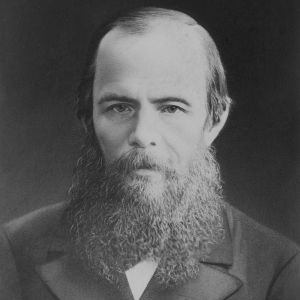
Seorang Penghuni Ruang Bawah Tanah
Tokoh utama dalam novel ini tidak pernah disebutkan namanya. Ia hanya dikenal sebagai Underground Man, seorang mantan pegawai negeri yang hidup menyendiri di sebuah apartemen kecil di St. Petersburg.
Pada bagian pertama novel, ia berbicara langsung kepada pembaca. Ia mengeluh, menyerang berbagai gagasan tentang kemajuan dan rasionalitas, sekaligus membongkar kelemahan dirinya sendiri dengan kejujuran yang nyaris tidak nyaman untuk dibaca. Semakin lama ia berbicara, semakin jelas bahwa musuh terbesarnya bukanlah masyarakat atau keadaan hidupnya, melainkan pikirannya sendiri.
Bagian kedua membawa kita ke masa mudanya. Melalui serangkaian peristiwa yang tampak sederhana, sebuah jamuan makan bersama teman lama, pertemuan dengan seorang perwira, dan hubungannya dengan seorang perempuan muda bernama Liza, kita melihat bagaimana ia terus-menerus merusak kesempatan untuk terhubung dengan orang lain.
Tidak ada petualangan besar atau peristiwa dramatis dalam novel ini.
Namun di balik kisah yang sederhana tersebut, Dostoevsky menghadirkan sesuatu yang jauh lebih mengganggu: seorang manusia yang memahami dirinya terlalu baik, tetapi tidak pernah benar-benar tahu bagaimana harus hidup.
Kebebasan untuk Menolak Logika
“What man wants is simply independent choice, whatever that independence may cost and wherever it may lead.”
Salah satu gagasan paling radikal dalam Notes from Underground adalah penolakan terhadap keyakinan bahwa manusia selalu bertindak secara rasional.
Pada pertengahan abad ke-19, banyak pemikir percaya bahwa kemajuan ilmu pengetahuan pada akhirnya akan memungkinkan manusia membangun masyarakat yang lebih baik dan lebih masuk akal. Jika penderitaan dapat dikurangi dan kebahagiaan ditingkatkan, mengapa manusia tidak memilih jalan tersebut?
Underground Man menjawab: karena manusia bukan mesin.
Kadang kita melakukan sesuatu yang tidak masuk akal hanya karena kita ingin membuktikan bahwa kita bebas. Kita menolak nasihat yang benar, mempertahankan kebiasaan buruk, atau merusak kesempatan yang sebenarnya kita inginkan.
Bagi Dostoevsky, kemampuan untuk membuat pilihan yang salah bukanlah kelemahan manusia. Justru di situlah kebebasan manusia berada.
Bertahun-tahun kemudian, gagasan serupa akan muncul kembali dalam pemikiran Jean-Paul Sartre tentang kebebasan radikal dan tanggung jawab individu.
Kesadaran sebagai Penjara
Underground Man tidak kekurangan kesadaran. Ia justru memilikinya dalam jumlah yang berlebihan.
Setiap penghinaan diingat selama bertahun-tahun. Setiap percakapan dibedah tanpa henti. Setiap kemungkinan dipikirkan sampai tidak ada tindakan yang terasa benar.
Ia memahami dirinya sendiri dengan sangat baik, tetapi tidak pernah mampu mengubah dirinya.
Di sini Dostoevsky menunjukkan paradoks yang masih terasa akrab bagi pembaca modern. Kesadaran memang membantu kita memahami dunia, tetapi terlalu banyak kesadaran dapat berubah menjadi kelumpuhan. Kita melihat terlalu banyak kemungkinan, terlalu banyak risiko, terlalu banyak alasan untuk gagal.
Akibatnya kita berhenti bergerak.
Underground Man tidak terjebak oleh masyarakat.
Ia terjebak oleh pikirannya sendiri.
Ketakutan untuk Dilihat Apa Adanya
Hubungan Underground Man dengan Liza merupakan bagian paling manusiawi sekaligus paling menyakitkan dalam novel ini.
Di balik seluruh sinisme dan kemarahannya, ia sebenarnya menginginkan apa yang diinginkan hampir setiap orang: kedekatan, pengertian, dan penerimaan.
Namun ketika kesempatan itu datang, ia menghancurkannya.
Menerima kasih sayang berarti membuka diri. Membuka diri berarti berisiko ditolak. Dan bagi Underground Man, risiko itu terlalu besar.
Lebih aman untuk menyerang terlebih dahulu.
Dostoevsky memahami sesuatu yang tidak nyaman tentang manusia. Kadang kita tidak kesepian karena tidak ada yang mendekat. Kadang kita kesepian karena kita tidak tahu bagaimana membiarkan orang lain melihat siapa diri kita sebenarnya.
Manusia yang Penuh Kontradiksi
“The best definition of man is: a creature that walks on two legs and is ungrateful.”
Tidak ada tokoh dalam novel ini yang menemukan jawaban. Tidak ada pencerahan. Tidak ada akhir yang rapi.
Sebaliknya, Dostoevsky menunjukkan manusia sebagai makhluk yang penuh pertentangan. Kita menginginkan kebahagiaan tetapi menciptakan penderitaan. Kita mendambakan kebebasan tetapi takut menggunakannya. Kita ingin dicintai tetapi mendorong orang lain menjauh.
Dalam banyak hal, Underground Man adalah cermin yang sengaja dibuat terlalu besar.
Ia ekstrem, tetapi tidak sepenuhnya asing.
Dan mungkin itulah alasan mengapa suaranya masih terasa hidup lebih dari satu abad kemudian.
Kembali ke Ruang Bawah Tanah
Lebih dari 160 tahun setelah diterbitkan, Notes from Underground terasa jauh lebih modern daripada usianya.
Dostoevsky menulis tentang seorang pria yang terjebak dalam pikirannya sendiri. Seseorang yang terus-menerus menganalisis setiap interaksi, membandingkan dirinya dengan orang lain, mengingat penghinaan kecil selama bertahun-tahun, dan kesulitan membangun hubungan yang tulus.
Sulit untuk tidak melihat sebagian dari kondisi itu dalam kehidupan modern.
Kita hidup di zaman yang dipenuhi opini, komentar, dan refleksi tanpa henti. Kita memiliki lebih banyak informasi tentang diri sendiri dibanding generasi mana pun sebelumnya, tetapi tidak selalu lebih memahami bagaimana menjalani hidup. Semakin banyak waktu dihabiskan untuk berpikir, membandingkan, dan mengevaluasi, semakin mudah terjebak dalam bentuk baru dari ruang bawah tanah yang digambarkan Dostoevsky.
Novel ini juga mengingatkan bahwa manusia tidak selalu bertindak secara rasional.
Kita mengetahui kebiasaan yang merugikan diri sendiri tetapi tetap melakukannya. Kita memahami apa yang seharusnya dilakukan tetapi memilih jalan lain. Kita menginginkan hubungan yang lebih dekat dengan orang lain, namun sering kali membangun tembok yang membuat hal tersebut menjadi mustahil.
Dalam dunia yang semakin percaya pada data, algoritma, dan kemampuan teknologi untuk memahami perilaku manusia, pertanyaan yang diajukan Dostoevsky masih terdengar relevan:
Apakah manusia benar-benar dapat dijelaskan sepenuhnya?
Atau selalu ada bagian dari diri kita yang akan tetap tidak masuk akal, penuh kontradiksi, dan tidak dapat diprediksi?
Notes from Underground tidak memberikan jawaban yang menenangkan.
Namun justru karena itu novel ini tetap bertahan. Ia mengingatkan bahwa menjadi manusia bukan hanya soal menjadi rasional, efisien, atau bahagia.
Terkadang menjadi manusia berarti hidup bersama kontradiksi yang tidak pernah sepenuhnya bisa diselesaikan.
Pada akhirnya, Notes from Underground bukanlah kisah tentang seorang pria yang hidup di ruang bawah tanah.
Ia adalah kisah tentang apa yang terjadi ketika seseorang terjebak di dalam dirinya sendiri.
Underground Man ingin dimengerti, tetapi menolak kedekatan. Ia menginginkan kebebasan, tetapi tidak tahu bagaimana menggunakannya. Ia melihat dunia dengan sangat jelas, namun justru kehilangan kemampuan untuk hidup di dalamnya.
Dostoevsky tidak meminta kita menyukai tokohnya. Ia bahkan tidak meminta kita menyetujuinya.
Ia hanya memaksa kita untuk menghadapinya.
Dan mungkin itulah yang membuat novel ini tetap terasa mengganggu hingga hari ini. Di balik semua kontradiksi, kemarahan, dan penghancuran diri, ada pertanyaan yang masih relevan bagi setiap generasi:
Seberapa baik kita benar-benar mengenal diri kita sendiri?
Dan jika kita mengenalnya, apakah itu cukup untuk menjalani hidup dengan lebih baik?
Underground Man mengajarkan bahwa pergulatan terbesar manusia bisa dimulai dari dalam dirinya sendiri.
Namun kehidupan tidak hanya berlangsung di dalam kepala kita. Ia juga berlangsung di dunia yang sering kali tidak dapat kita pahami ataupun kendalikan.
Dari ruang bawah tanah Dostoevsky, perjalanan ini berlanjut ke lorong-lorong birokrasi Franz Kafka. Bukan untuk menemukan jawaban, melainkan untuk menghadapi dunia sebagaimana adanya.
>> Lanjut ke The Trial

Tonton Video Terkait:

