
Kabut pagi menggantung di lereng Black Forest ketika seorang anak laki-laki berdiri di tepi pepohonan dekat Messkirch. Di tangannya ada sebuah buku doa berbahasa Latin, tetapi perhatiannya tertuju pada cahaya yang menembus celah-celah pohon. Bertahun-tahun kemudian, Martin Heidegger akan kembali ke hutan yang sama untuk menulis, berpikir, dan mencari jawaban atas pertanyaan yang menghantuinya sepanjang hidup: mengapa ada sesuatu, dan bukan ketiadaan?
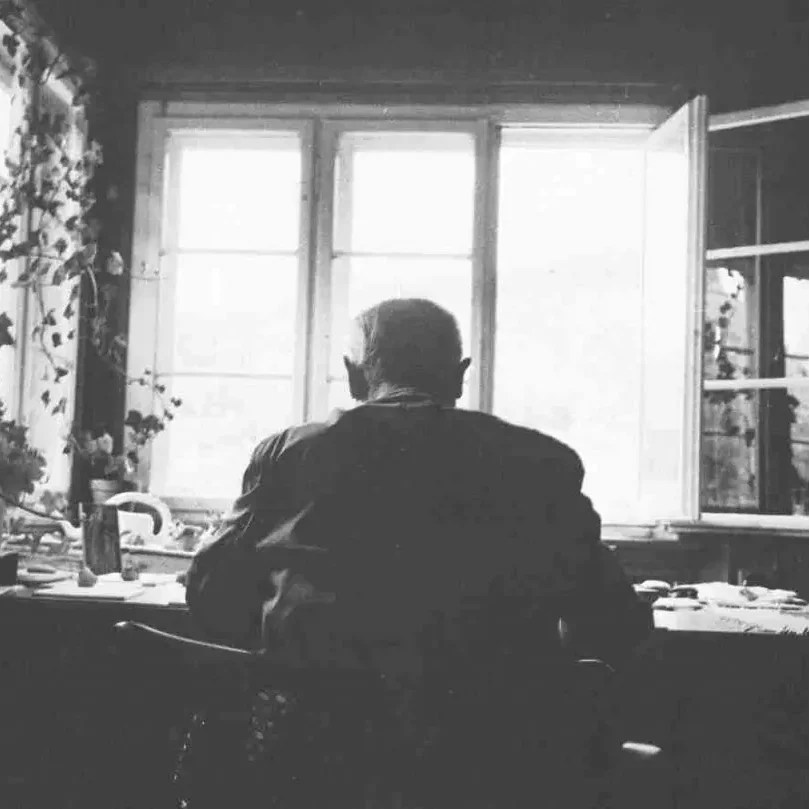
Martin Heidegger lahir pada 26 September 1889 di Messkirch, sebuah kota kecil Katolik di Jerman Selatan. Kehidupan di sana berjalan mengikuti irama lonceng gereja, musim panen, dan tradisi yang telah berlangsung turun-temurun. Ayahnya bekerja sebagai penjaga gereja sekaligus pembuat tong kayu, sementara ibunya berharap Martin suatu hari menjadi pastor.
Untuk beberapa waktu, jalan hidup itu tampak masuk akal. Heidegger belajar teologi, menguasai bahasa Latin, dan menghabiskan banyak waktunya membaca karya-karya para pemikir Kristen. Namun semakin dalam ia mempelajari pertanyaan-pertanyaan tentang Tuhan, semakin ia tertarik pada pertanyaan yang lebih mendasar.
Bukan tentang keberadaan Tuhan.
Melainkan tentang keberadaan manusia dan hidup itu sendiri.
Pertanyaan itu membawanya menjauh dari teologi dan mendekat kepada filsafat.
Ketika tiba di Universitas Freiburg, Heidegger semakin yakin bahwa teologi tidak lagi mampu menjawab pertanyaan yang terus mengganggunya. Ia mulai beralih kepada filsafat, mencari cara baru untuk memahami keberadaan manusia dan dunia yang dihuni manusia.
Di sana ia menemukan pemikiran Franz Brentano, mantan pastor Katolik yang mengajak para filsuf untuk kembali kepada pengalaman sebagaimana dialami secara langsung, bukan kepada dogma atau spekulasi abstrak. Dari Brentano, Heidegger menemukan kembali Aristoteles. Bukan sebagai tokoh kuno yang jauh di masa lalu, melainkan sebagai seorang pemikir yang masih berbicara tentang kehidupan, dunia, dan keberadaan.
Tak lama kemudian, ia menemukan suara-suara lain yang sama mengguncangnya. Kierkegaard berbicara tentang kecemasan dan pilihan. Nietzsche mempertanyakan nilai-nilai yang selama berabad-abad dianggap pasti. Dan Edmund Husserl menawarkan sesuatu yang berbeda: sebuah metode untuk kembali melihat pengalaman manusia dengan cara yang baru.
Di antara semua pengaruh itu, Husserl menjadi yang paling menentukan. Melalui fenomenologi, Heidegger menemukan alat yang selama ini ia cari. Namun seperti yang kemudian terjadi, ia tidak akan menggunakannya untuk tujuan yang sama dengan gurunya.
Pada tahun 1916, Edmund Husserl mengundang Heidegger untuk menjadi asistennya di Freiburg. Pertemuan itu menandai awal dari salah satu hubungan guru dan murid paling berpengaruh dalam sejarah filsafat modern.
Di bawah bimbingan Husserl, Heidegger mempelajari fenomenologi, sebuah metode yang mengajak filsafat kembali kepada pengalaman manusia sebagaimana dialami secara langsung. Husserl meminta para filsuf menanggalkan asumsi-asumsi lama dan kembali kepada “benda-benda itu sendiri”.
Heidegger menyerap metode tersebut dengan antusias. Namun semakin lama ia bekerja bersama Husserl, semakin ia merasa bahwa ada satu pertanyaan yang belum terjawab.
Husserl bertanya bagaimana manusia mengalami dunia.
Heidegger ingin bertanya sesuatu yang lebih mendasar:
apa artinya keberadaan itu sendiri?
Ia mulai merasa bahwa bahasa filsafat yang diwarisi dari tradisi Barat tidak lagi memadai untuk menjawab pertanyaan itu. Konsep-konsep lama terasa terlalu sempit. Kategori-kategori yang selama berabad-abad digunakan para filsuf justru menutupi persoalan yang ingin ia ungkap.
Ia membutuhkan kosakata baru.
Dan untuk menemukannya, ia harus melangkah melampaui gurunya.
Nama Baru untuk Keberadaan
Musim panas 1926.
Di sebuah pondok kayu sederhana di Todtnauberg, jauh di tengah Hutan Hitam, Martin Heidegger menghabiskan hari-harinya dengan menulis. Setiap pagi ia bangun sebelum matahari terbit, menyeduh kopi, lalu duduk di depan meja kerjanya yang menghadap perbukitan dan hutan pinus.
Jauh dari hiruk-pikuk universitas, ia akhirnya memiliki ruang untuk mengerjakan proyek yang telah lama menghantuinya.
Manuskrip itu berjudul Sein und Zeit — Being and Time.
Judulnya terdengar sederhana. Namun di baliknya tersembunyi ambisi yang sangat besar: membuka kembali pertanyaan yang menurut Heidegger telah dilupakan oleh seluruh tradisi filsafat Barat.
Apa artinya keberadaan?
Selama berabad-abad, para filsuf bertanya tentang hakikat benda, pengetahuan, moralitas, bahkan Tuhan. Namun Heidegger merasa bahwa mereka jarang berhenti untuk memikirkan pertanyaan yang lebih mendasar: apa yang memungkinkan semua pertanyaan itu diajukan sejak awal?
Untuk menjawabnya, ia merasa bahasa filsafat yang diwarisinya tidak lagi memadai.
Ia membutuhkan kosakata baru.
Maka lahirlah sebuah istilah yang kemudian menjadi salah satu kata paling terkenal dalam filsafat abad ke-20:
Secara harfiah berarti “ada-di-sana”. Namun Heidegger menggunakannya untuk menyebut cara berada yang khas manusia. Bukan jiwa. Bukan pikiran. Bukan subjek rasional seperti dalam filsafat Descartes. Melainkan makhluk yang sadar akan keberadaannya sendiri dan mampu mempertanyakan keberadaan itu.
Dan ketika Heidegger mulai memeriksa kehidupan manusia melalui lensa Dasein, ia menemukan sesuatu yang menurutnya sangat penting.
Kita tidak pernah memilih titik awal kehidupan kita.
Kita lahir ke dalam keluarga tertentu, bahasa tertentu, budaya tertentu, dan zaman tertentu. Kita mendapati diri kita sudah berada di dunia sebelum sempat memutuskan apa pun.
Untuk menggambarkan kondisi ini, Heidegger memperkenalkan istilah lain:
Geworfenheit.
Thrownness.
Keterlemparan.
Manusia tidak memilih papan permainan tempat ia memulai hidupnya. Namun setelah berada di sana, ia tetap harus menjalani permainan itu.
Dan justru di situlah kebebasan muncul.
Karena meskipun kita terlempar ke dalam dunia, kita terus bergerak ke arah masa depan. Kita membuat pilihan. Menjalani kemungkinan-kemungkinan hidup yang terbuka di hadapan kita. Kita tidak pernah selesai menjadi sesuatu. Kita selalu sedang menjadi.
Namun seluruh proses itu berlangsung di bawah satu kenyataan yang tidak dapat dihindari.
Kematian.
Bagi Heidegger, kematian bukan sekadar peristiwa yang terjadi di akhir hidup. Ia adalah kemungkinan yang selalu menyertai setiap kemungkinan lainnya. Kesadaran akan kematian diam-diam membentuk cara kita memahami waktu, memilih jalan hidup, dan memberi makna pada pengalaman.
Karena itu Heidegger memperkenalkan istilah lain yang tidak kalah terkenal:
Sein-zum-Tode.
Being-toward-death.
Menjadi manusia berarti hidup dengan kesadaran bahwa waktu kita terbatas.
Justru karena hidup berakhir, hidup menjadi penting.
Namun kebanyakan orang, menurut Heidegger, menghindari kenyataan tersebut. Mereka larut dalam rutinitas, mengikuti pendapat umum, dan membiarkan hidupnya ditentukan oleh apa yang dilakukan orang lain.
Untuk menggambarkan keadaan ini, Heidegger menggunakan istilah Das Man — “mereka”.
“Mereka” berkata apa yang harus dipikirkan.
“Mereka” menentukan apa yang dianggap normal.
“Mereka” memberitahu bagaimana seseorang seharusnya hidup.
Dalam kehidupan sehari-hari, manusia sering kehilangan dirinya di dalam Das Man, hidup mengikuti kerumunan tanpa pernah benar-benar bertanya apakah hidup yang dijalaninya adalah miliknya sendiri.
Bagi Heidegger, kehidupan yang autentik dimulai ketika seseorang menghadapi keterlemparannya, menerima kematiannya, dan menyadari bahwa tidak ada seorang pun yang dapat menjalani hidupnya untuk dirinya.
Being and Time bukan sekadar buku filsafat.
Ia adalah upaya untuk mengingatkan manusia akan sesuatu yang paling dekat sekaligus paling mudah dilupakan:
bahwa kita ada, bahwa waktu kita terbatas, dan bahwa apa yang kita lakukan dengan waktu itu pada akhirnya adalah tanggung jawab kita sendiri.
Ketika Being and Time diterbitkan pada tahun 1927, pengaruhnya tidak datang sekaligus. Ia menyebar perlahan, seperti gema lonceng yang terdengar jauh sebelum sumber suaranya terlihat.
Namun ketika gema itu akhirnya mencapai dunia filsafat, dampaknya sulit diabaikan.
Para filsuf, teolog, penulis, dan psikolog menemukan sesuatu yang baru dalam karya Heidegger. Ia tidak sekadar menawarkan konsep-konsep baru. Ia mengubah cara orang memahami filsafat itu sendiri.
Being and Time tidak terasa seperti sebuah sistem pemikiran yang harus dipelajari. Ia terasa seperti sebuah tantangan yang harus dihadapi. Heidegger tidak meminta pembacanya untuk setuju. Ia meminta mereka untuk melihat hidup mereka sendiri dengan cara yang berbeda.
Karier akademiknya pun melesat. Di Freiburg, ia menggantikan Edmund Husserl sebagai profesor filsafat dan segera menjadi salah satu intelektual paling berpengaruh di Jerman. Ruang kuliahnya selalu penuh. Mahasiswa datang bukan hanya untuk mendengar teori, tetapi untuk menyaksikan cara berpikir yang terasa sepenuhnya baru.
Pengaruhnya melampaui universitas. Teolog, psikolog, dan para filsuf generasi berikutnya mulai bergulat dengan gagasan-gagasannya. Di Prancis, pemikir seperti Sartre dan Merleau-Ponty menemukan inspirasi baru dalam karyanya, meskipun pada akhirnya mereka menempuh jalan yang berbeda.
Dalam waktu singkat, Heidegger telah menjadi lebih dari sekadar seorang filsuf.
Ia menjadi sebuah peristiwa intelektual.
Namun di balik seluruh pengakuan itu, sebuah ketegangan mulai tumbuh.
Heidegger telah membangun reputasinya melalui gagasan tentang kehidupan yang autentik: keberanian untuk berpikir sendiri, menghadapi kenyataan hidup dan kematian, serta menolak larut dalam arus kerumunan.
Tetapi tidak lama kemudian, filsuf yang berbicara tentang kebebasan dan keaslian hidup itu akan membuat pilihan yang mengejutkan banyak orang.
Dan pilihan itulah yang akan membayangi namanya sepanjang sisa
hidupnya.
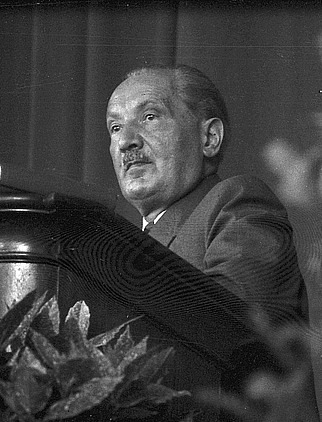
Filsafat di Pusaran Sejarah
Musim semi 1933.
Pohon-pohon di Freiburg mulai berbunga ketika Martin Heidegger diangkat menjadi Rektor Universitas Freiburg, salah satu jabatan akademik paling bergengsi di Jerman. Di atas kertas, itu tampak seperti puncak yang wajar bagi seorang filsuf yang baru saja mengubah arah pemikiran abad ke-20.
Namun ini bukan tahun yang biasa.
Beberapa bulan sebelumnya, Adolf Hitler telah menjadi Kanselir Jerman. Rezim Nazi bergerak cepat mengendalikan institusi negara, termasuk universitas. Para dosen diminta menunjukkan loyalitas. Akademisi Yahudi mulai disingkirkan. Dunia intelektual Jerman sedang berubah dengan kecepatan yang mengkhawatirkan.
Di tengah perubahan itu, Heidegger mengambil keputusan yang hingga hari ini tetap menjadi bagian paling kontroversial dalam hidupnya.
Ia bergabung dengan Partai Nazi.
Tak lama kemudian, dalam pidato pelantikannya sebagai rektor, Heidegger berbicara tentang masa depan universitas Jerman, kepemimpinan spiritual, pengorbanan, dan takdir bangsa. Pidato itu disampaikan di hadapan simbol-simbol yang kini menjadi lambang salah satu rezim paling kelam dalam sejarah modern.
Banyak orang terkejut.
Bagaimana mungkin filsuf yang menulis tentang kehidupan autentik dan keberanian berpikir mandiri justru mendukung sebuah gerakan yang menuntut keseragaman dan kepatuhan?
Pertanyaan itu menjadi semakin sulit diabaikan ketika nasib Edmund Husserl mulai berubah.
Sebagai keturunan Yahudi, Husserl kehilangan hak-hak akademiknya di bawah kebijakan baru Nazi. Ia dikeluarkan dari lingkungan universitas yang pernah ia bantu bangun. Dan ketika gurunya menghadapi masa-masa paling sulit dalam hidupnya, Heidegger tidak memberikan pembelaan publik.
Hubungan keduanya yang selama bertahun-tahun membentuk sejarah filsafat modern perlahan berakhir dalam keheningan.
Mengapa Heidegger mengambil keputusan tersebut masih menjadi perdebatan hingga hari ini. Sebagian melihatnya sebagai kesalahan politik yang lahir dari harapan naif terhadap kebangkitan Jerman. Sebagian lain melihatnya sebagai kegagalan moral yang jauh lebih mendalam.
Yang jelas, keputusan itu meninggalkan bayangan yang tidak pernah benar-benar hilang.
Heidegger mengundurkan diri sebagai rektor pada tahun 1934 dan secara bertahap menjauhkan dirinya dari rezim yang sebelumnya ia dukung. Dalam percakapan pribadi dan catatan-catatan setelahnya, ia menunjukkan kekecewaan terhadap arah yang diambil Nazi Jerman.
Namun ia juga tidak pernah melakukan hal yang diharapkan banyak orang.
Ia tidak pernah secara terbuka menarik kembali dukungannya. Tidak pernah menyampaikan permintaan maaf. Tidak pernah menulis refleksi panjang yang menjelaskan bagaimana filsuf yang berbicara tentang keaslian hidup dan kebebasan berpikir bisa terlibat dalam salah satu episode paling gelap abad ke-20.
Sebaliknya, ia kembali ke pegunungan.
Kembali ke kesunyian.
Kembali kepada pertanyaan-pertanyaan tentang keberadaan yang telah menemaninya sejak muda.
Kembali ke Kabin di Tengah Hutan
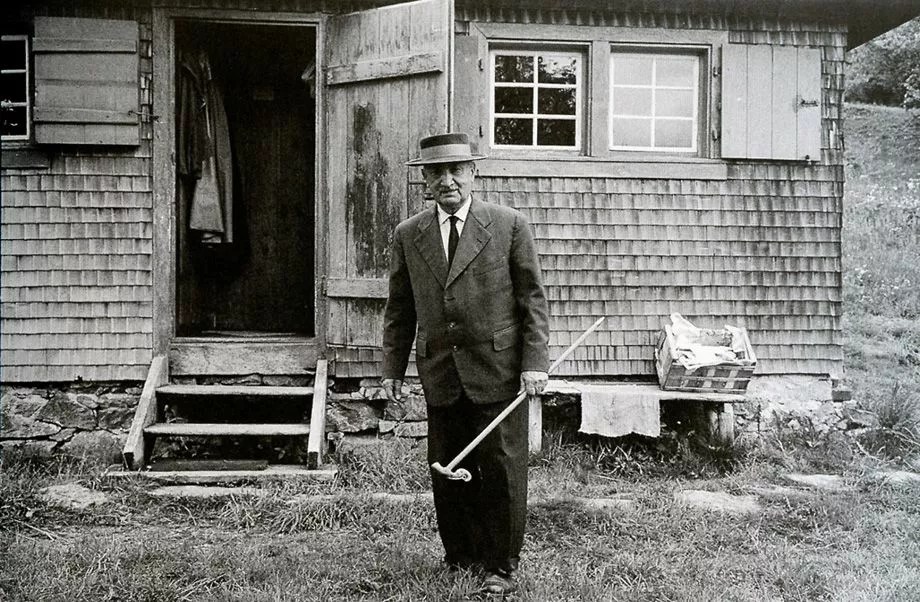
Setelah mengundurkan diri sebagai rektor pada tahun 1934, Martin Heidegger perlahan menjauhkan diri dari kehidupan publik. Ia kembali ke tempat yang selama puluhan tahun menjadi rumah bagi pikirannya: sebuah pondok kayu sederhana di Todtnauberg, di tengah Hutan Hitam.
Di sanalah ia menghabiskan sebagian besar sisa hidupnya.
Namun Heidegger yang kembali ke kabin itu bukan lagi filsuf yang sama seperti ketika menulis Being and Time. Sesuatu telah berubah. Para penafsir kemudian menyebut perubahan ini sebagai die Kehre — “The Turn”.
Jika dalam Being and Time Heidegger berusaha memahami manusia sebagai Dasein, makhluk yang mempertanyakan keberadaannya sendiri, maka dalam karya-karya berikutnya perhatiannya perlahan bergeser. Ia tidak lagi bertanya terutama tentang manusia, tetapi tentang Ada itu sendiri. Seolah-olah ia mulai menyadari bahwa manusia tidak pernah sepenuhnya menguasai dunia yang dihuni atau sejarah yang membentuknya.
Perhatian Heidegger pun bergerak ke arah yang tidak terduga: bahasa, puisi, tempat tinggal, alam, dan teknologi.
Dari kabinnya yang menghadap pegunungan dan hutan pinus, ia menyaksikan dunia modern berubah semakin cepat. Pabrik, industri, birokrasi, dan teknologi mengubah cara manusia memandang realitas. Namun bagi Heidegger, persoalannya bukan teknologi itu sendiri.
Yang ia khawatirkan adalah cara berpikir yang dibawa oleh teknologi.
Ketika dunia dipandang hanya melalui lensa efisiensi dan kegunaan, segala sesuatu perlahan berubah menjadi sumber daya. Sungai menjadi pembangkit listrik. Hutan menjadi bahan baku. Tanah menjadi komoditas. Bahkan manusia menjadi sekadar tenaga kerja yang dapat diukur, dihitung, dan dioptimalkan.
Dalam proses itu, manusia berisiko melupakan sesuatu yang lebih mendasar: bagaimana cara menghuni dunia.
Karena itu, tulisan-tulisan Heidegger di masa tua sering terdengar lebih seperti renungan daripada argumentasi. Ia berbicara tentang puisi, tentang bahasa, tentang kesunyian. Tentang belajar tinggal di dunia alih-alih terus-menerus berusaha menguasainya.
Mungkin ada ironi di sini.
Sepanjang hidupnya, Heidegger berusaha memahami apa artinya menjadi manusia yang terlempar ke dalam dunia. Namun pada akhirnya, tidak ada contoh yang lebih jelas tentang Dasein selain hidupnya sendiri.
Ia tidak memilih lahir di sebuah desa Katolik di Jerman Selatan. Ia tidak memilih dua perang dunia. Ia tidak memilih zaman yang melahirkan Nazisme, industrialisasi, dan krisis modernitas. Seperti semua manusia, ia mendapati dirinya sudah berada di tengah sejarah sebelum sempat memilih apa pun.
Yang dapat ia pilih hanyalah bagaimana meresponsnya.
Terkadang dengan kejernihan filosofis yang luar biasa. Terkadang dengan kegagalan yang masih diperdebatkan hingga hari ini.
Martin Heidegger meninggal pada 26 Mei 1976, tidak jauh dari hutan yang telah menemaninya sejak masa kanak-kanak. Namun pertanyaan yang ia kejar sepanjang hidupnya tetap bergema:
bukan siapa kita,
melainkan apa artinya ada.
Dan mungkin, seperti hutan yang selalu ia cintai, pertanyaan itu tidak pernah benar-benar meminta jawaban. Hanya kesediaan untuk tinggal bersamanya sedikit lebih lama.
Every man is born as many men
martin heidegger
and dies as a single one.
>> Lanjut ke Jean-Paul Sartre
Tonton Video Terkait:

